Historical Turning Point:
Direction Within the Storm
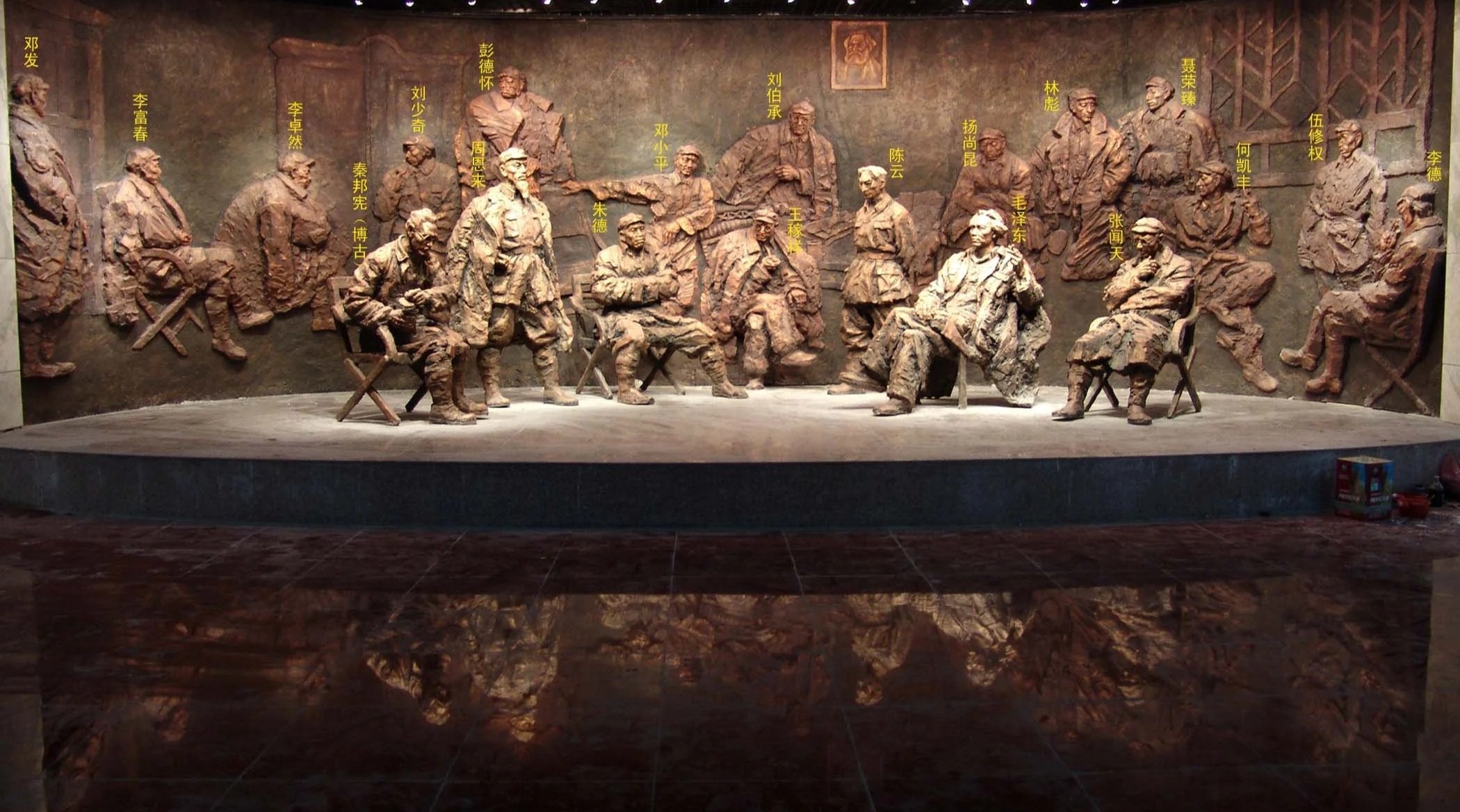
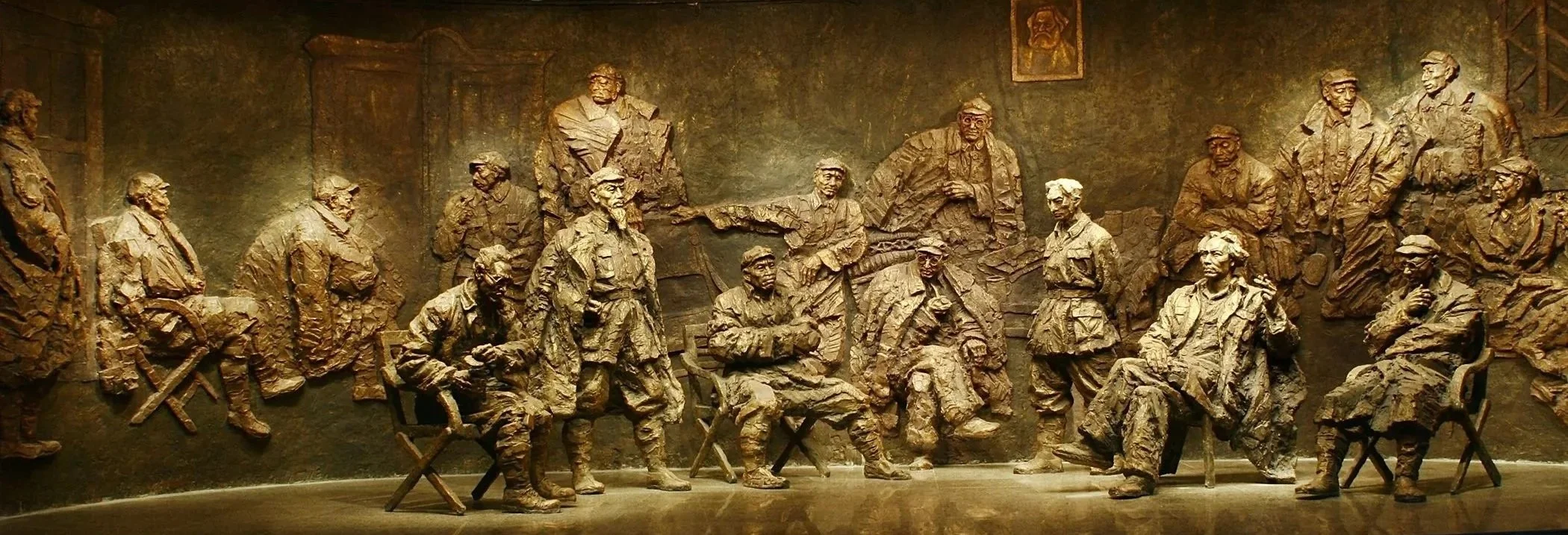
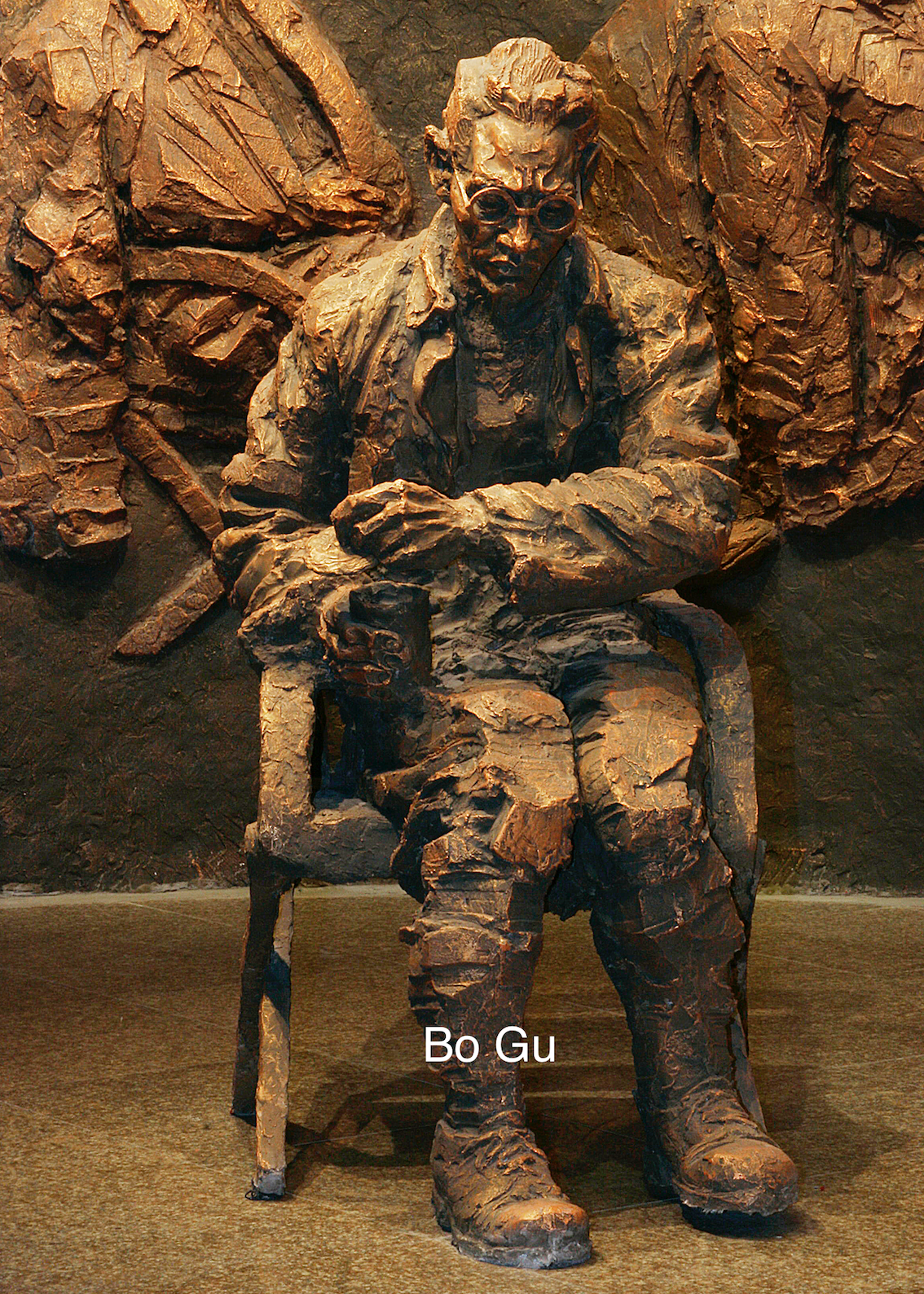
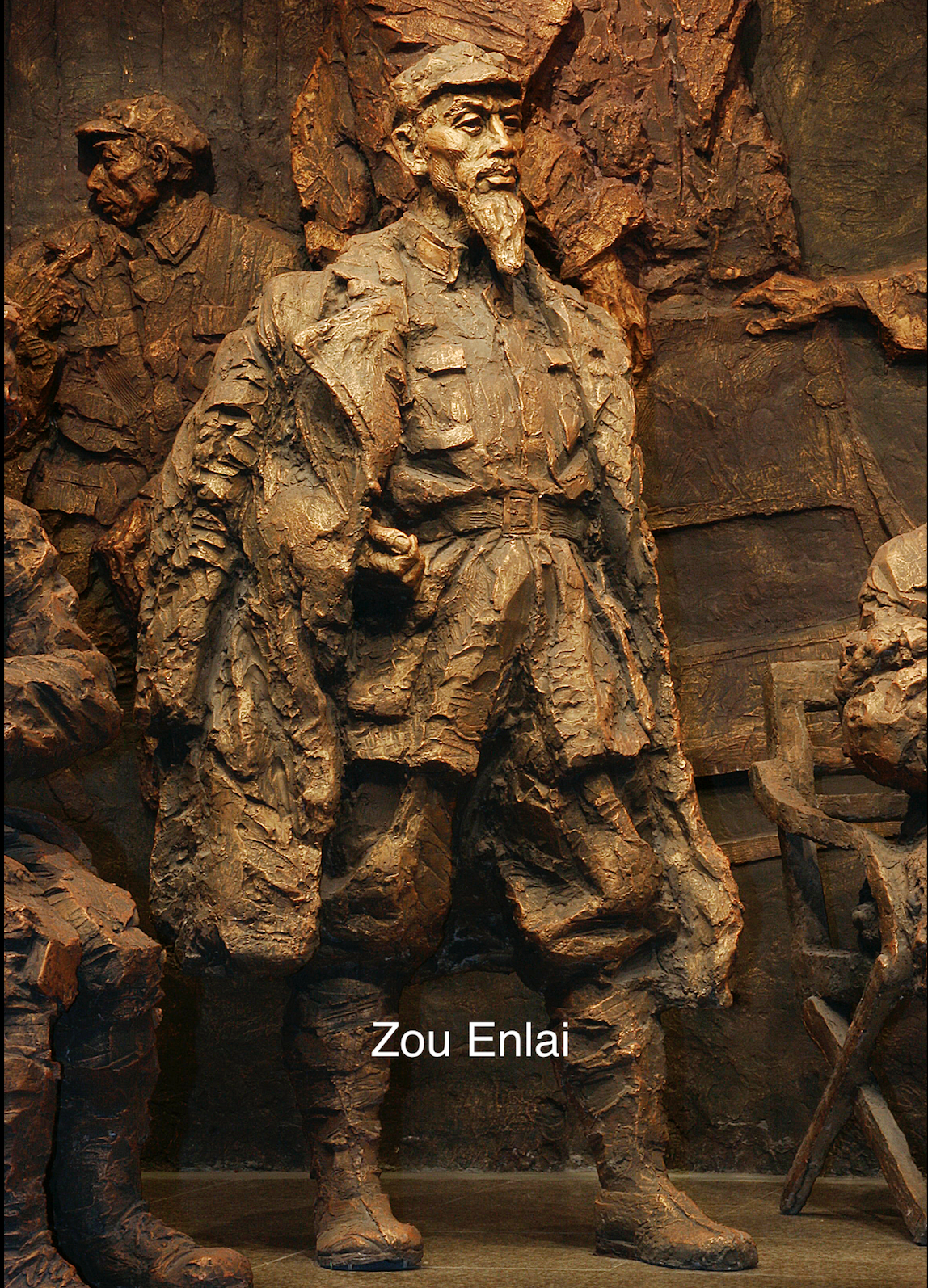
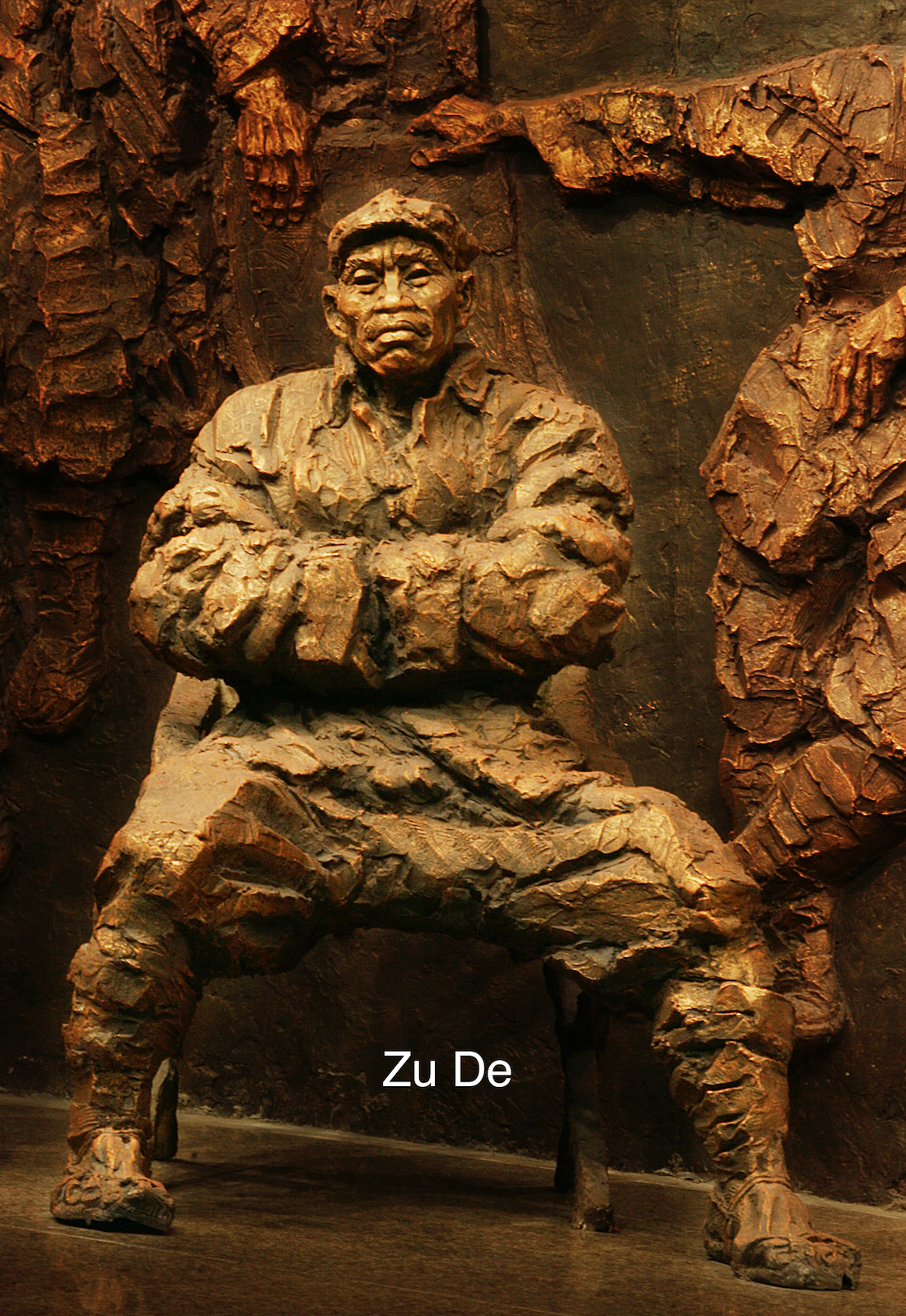
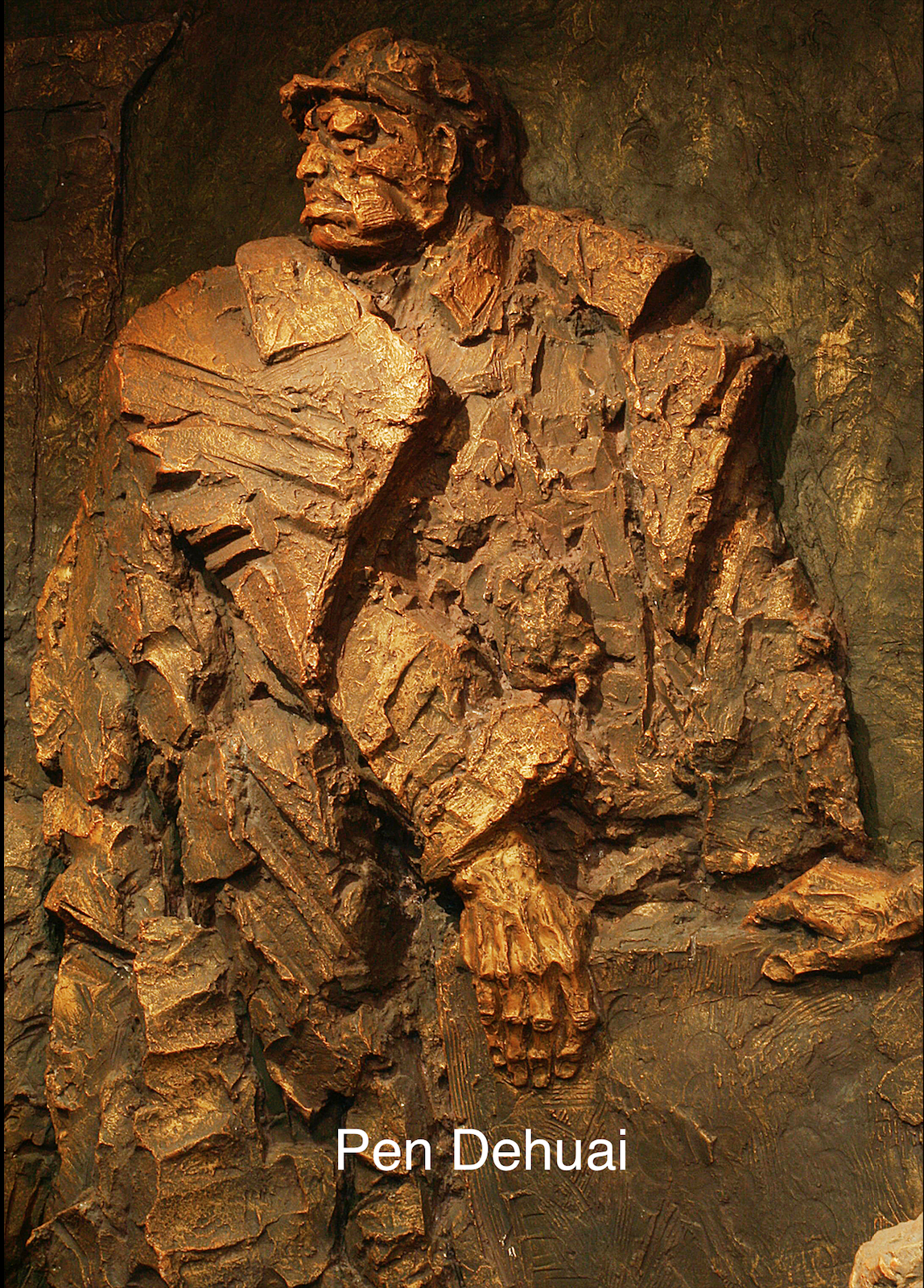
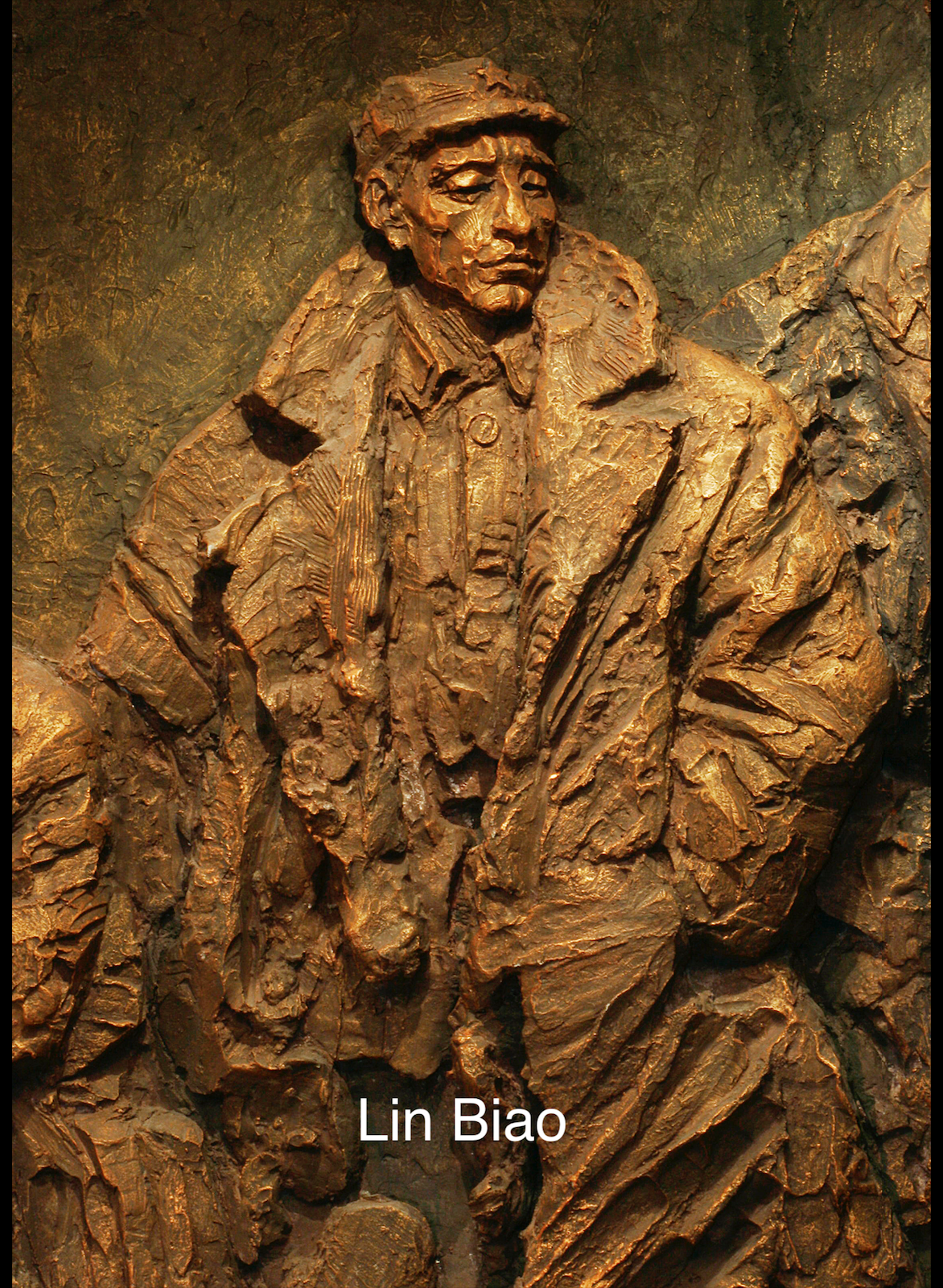
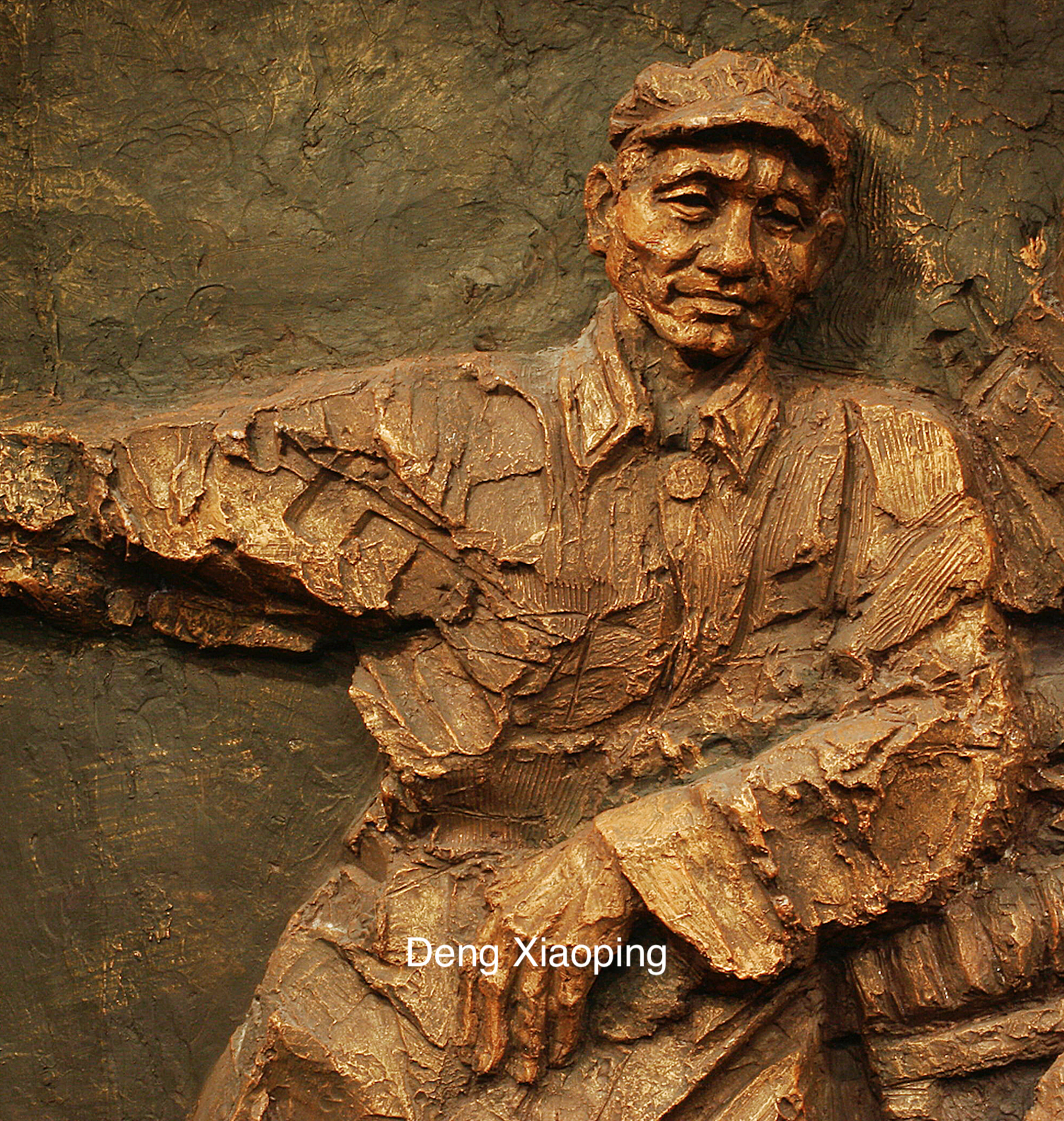
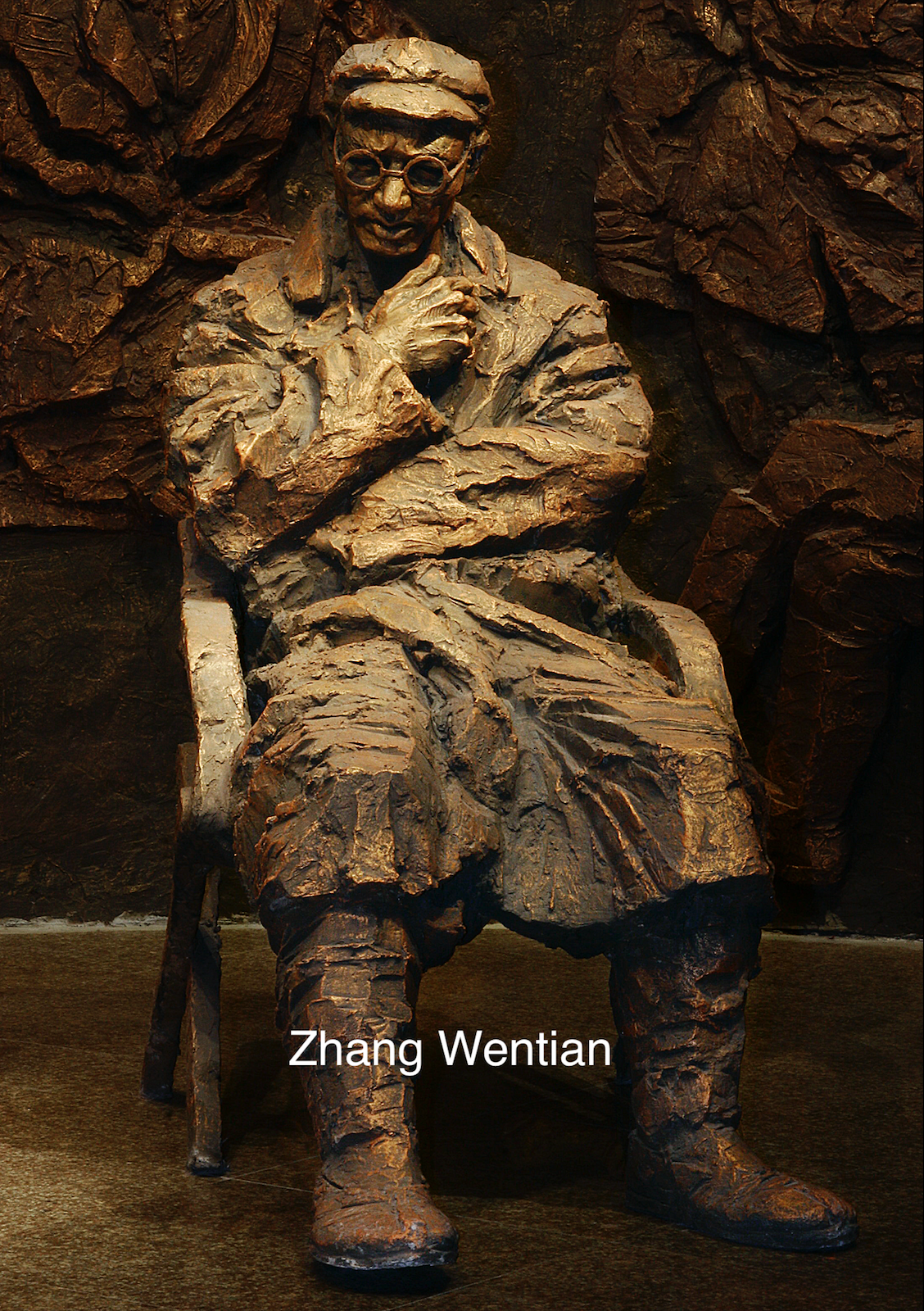
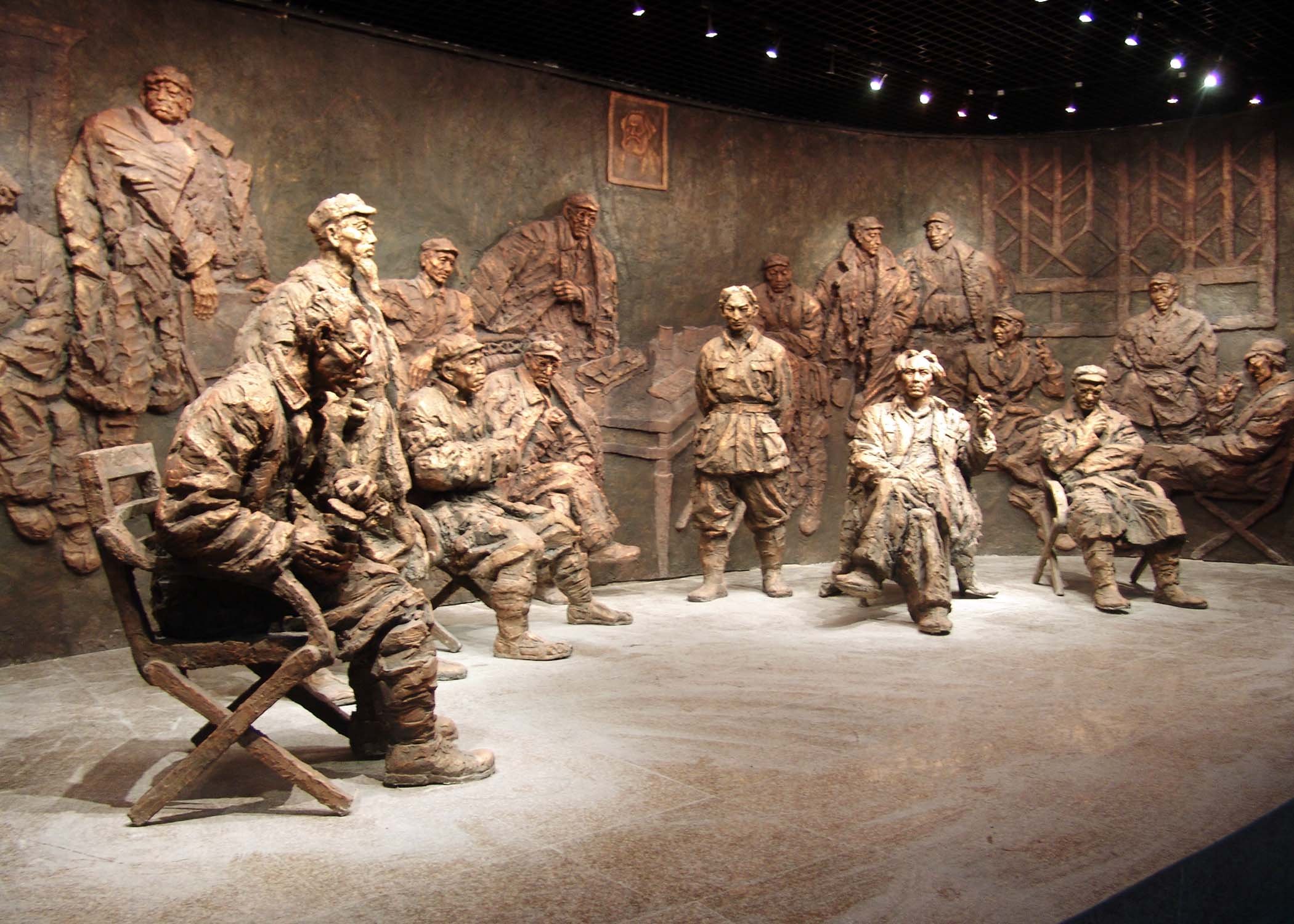
In 2004, to commemorate the 70th anniversary of the Zunyi Conference, the Zunyi Conference Memorial Museum commissioned me to create the large-scale sculptural installation Historical Turning Point. Measuring 15 meters in length and 4 meters in height, the work portrays a collective scene composed of twenty historical figures and is now permanently exhibited at the Zunyi Conference Memorial Museum.
At the time, the work caused a considerable response within the Chinese sculpture community. This was not merely due to the historical weight of the subject itself, but more importantly because it broke away from the formulaic and conceptualized approaches that had long dominated revolutionary historical themes. Many comparable works still leaned toward a hollow, monument-like narrative structure, whereas I hoped instead to capture a historical and spiritual reality that was both authentic and deeply complex.
The true significance of the Zunyi Conference was never simply that “a meeting took place.” Rather, it marked the moment when a revolutionary movement standing on the brink of collapse found a new direction amid overwhelming crisis. At that time, no one knew whether success would ever come. The Red Army remained trapped in a desperate situation — pursued, exhausted, and facing an uncertain fate. What ultimately propelled this historical turning point forward was not slogans, but fierce ideological confrontation, military disagreement, and political decision-making among individuals.
During the creative process, I gradually realized:
The greatest challenge of this work was not the event itself, but the inner worlds of the people within it.
Among the twenty historical figures portrayed, each carried a different psychological state: some resolute, some anxious; some contemplative, some conflicted; some burdened by the weight of failure, while others had already begun to glimpse a new direction ahead.
In order to express these intricate psychological relationships, I immersed myself in historical research and drew particular inspiration from The Last Supper by Leonardo da Vinci.
What makes The Last Supper truly extraordinary is its ability to capture the instant eruption of psychological tension among its figures. Through gaze, gesture, and spatial relationships, Leonardo transformed an invisible spiritual shock into powerful visual drama. This approach deeply inspired me.
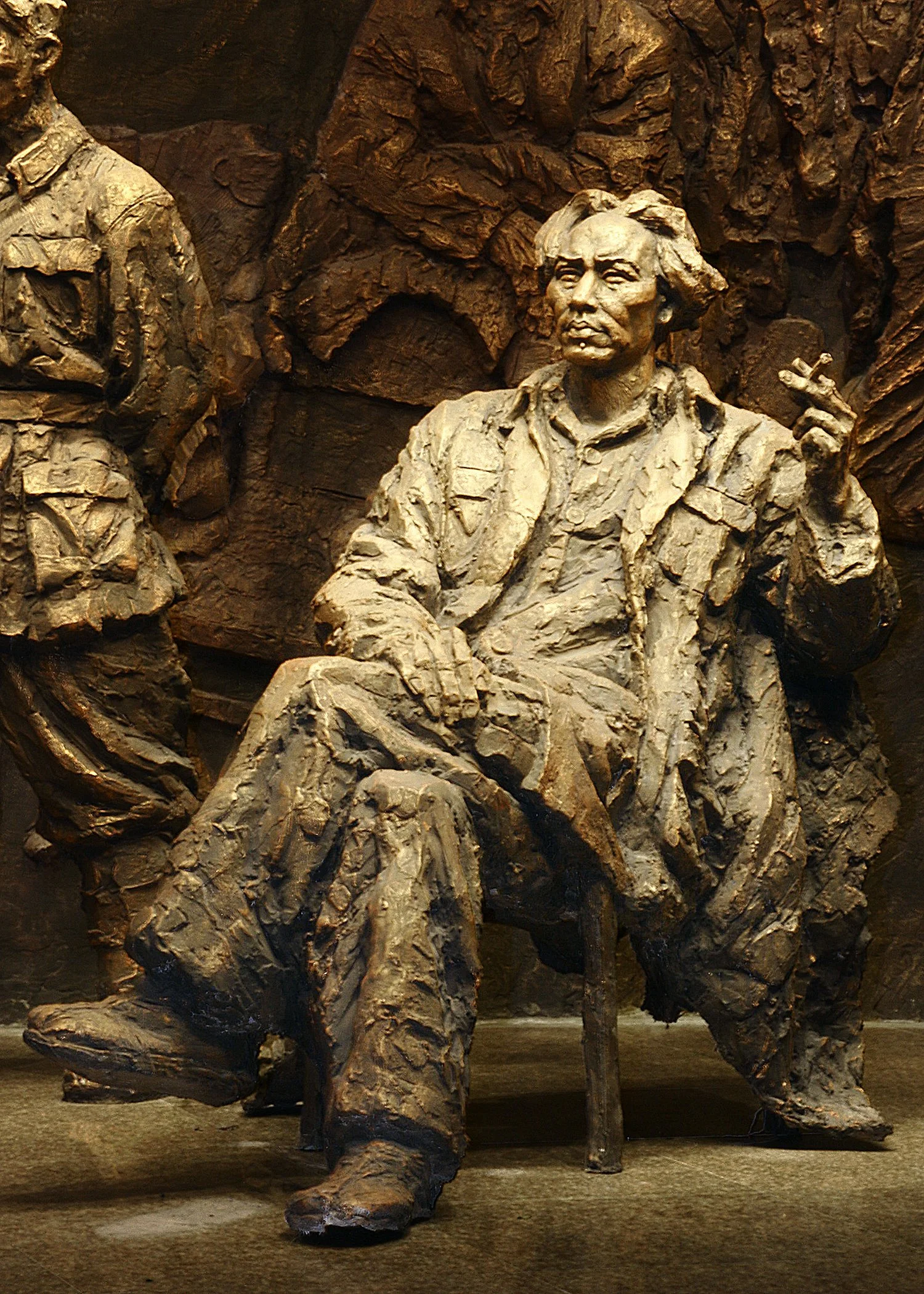
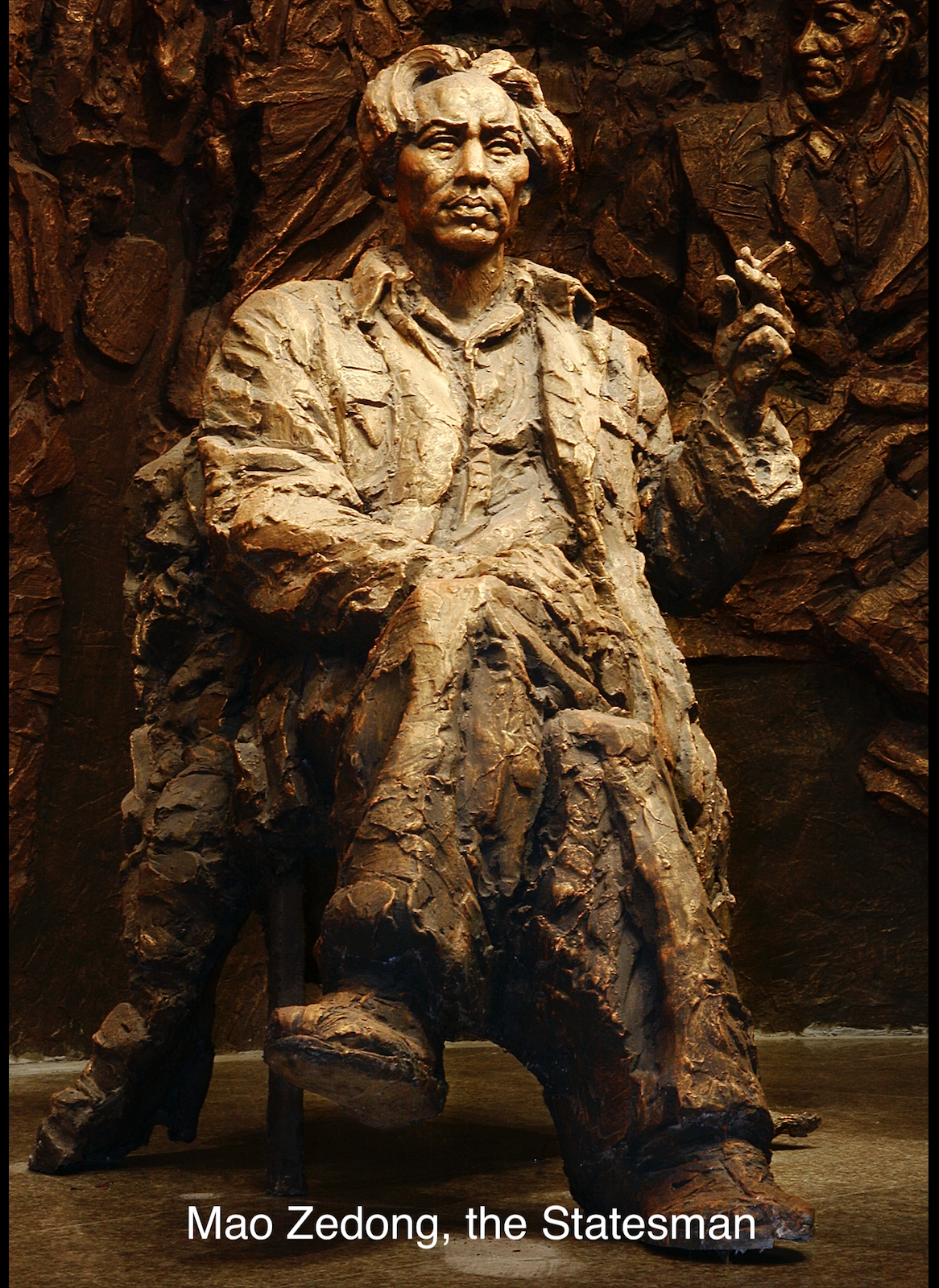
The Zunyi Conference was likewise a profound turning point on a spiritual level. Therefore, the relationships between figures in Historical Turning Point are not arranged evenly or mechanically. Instead, through mutual gazes, pressure, avoidance, and response, they form a tense and weighty psychological field. The relationships among key figures such as Mao Zedong, Zhou Enlai, Zhang Wentian, Wang Jiaxiang, and Bo Gu constitute the emotional core of the entire composition.
Artistically, however, I did not fully adopt the finely detailed realism of Western sculpture. Instead, I incorporated the aesthetic philosophy of Chinese xieyi — the tradition of expressive freehand spirit.
In my view, the Zunyi Conference was not an ordinary life scene, but rather something like a spiritual rock formation repeatedly struck by war, suffering, and the fate of a nation. For this reason, the sculptural treatment emphasizes overall momentum and spiritual force while intentionally weakening trivial details. The rough knife marks and heavy masses are not simplifications, but attempts to make the figures appear as though they had been carved directly out of the storm of history itself.
The work combines sculpture in the round with high relief. The six members of the Politburo Standing Committee are rendered in full round sculpture, forming the emotional center of gravity, while the remaining figures merge into the relief background, creating both spatial hierarchy and a sweeping historical atmosphere resembling the current of history itself.
I have always believed that truly great historical transformations are not defined by celebrations after victory, but by moments when, amid immense darkness and pressure, there are still people capable of maintaining judgment, assuming responsibility, and searching for direction.
For this reason, the figures in Historical Turning Point are not portrayed as triumphant victors. Instead, they embody exhaustion, repression, gravity, and deep reflection — because at that moment, they were still confronting an unknown destiny.
Later, the work received wide recognition within China’s sculpture world and allowed many to see new possibilities for Chinese commemorative sculpture: a fusion of Western classical approaches to psychological and dramatic group composition with the Chinese freehand pursuit of qi (spirit), shi (momentum), and shen (inner essence).
Looking back today, Historical Turning Point is not merely a work about revolutionary history, but also a search for the spiritual core of a nation.
For history is rarely advanced by glory in times of ease, but rather by those who, in the darkest moments, are still willing to bend down and grasp the rope of a nation’s destiny.