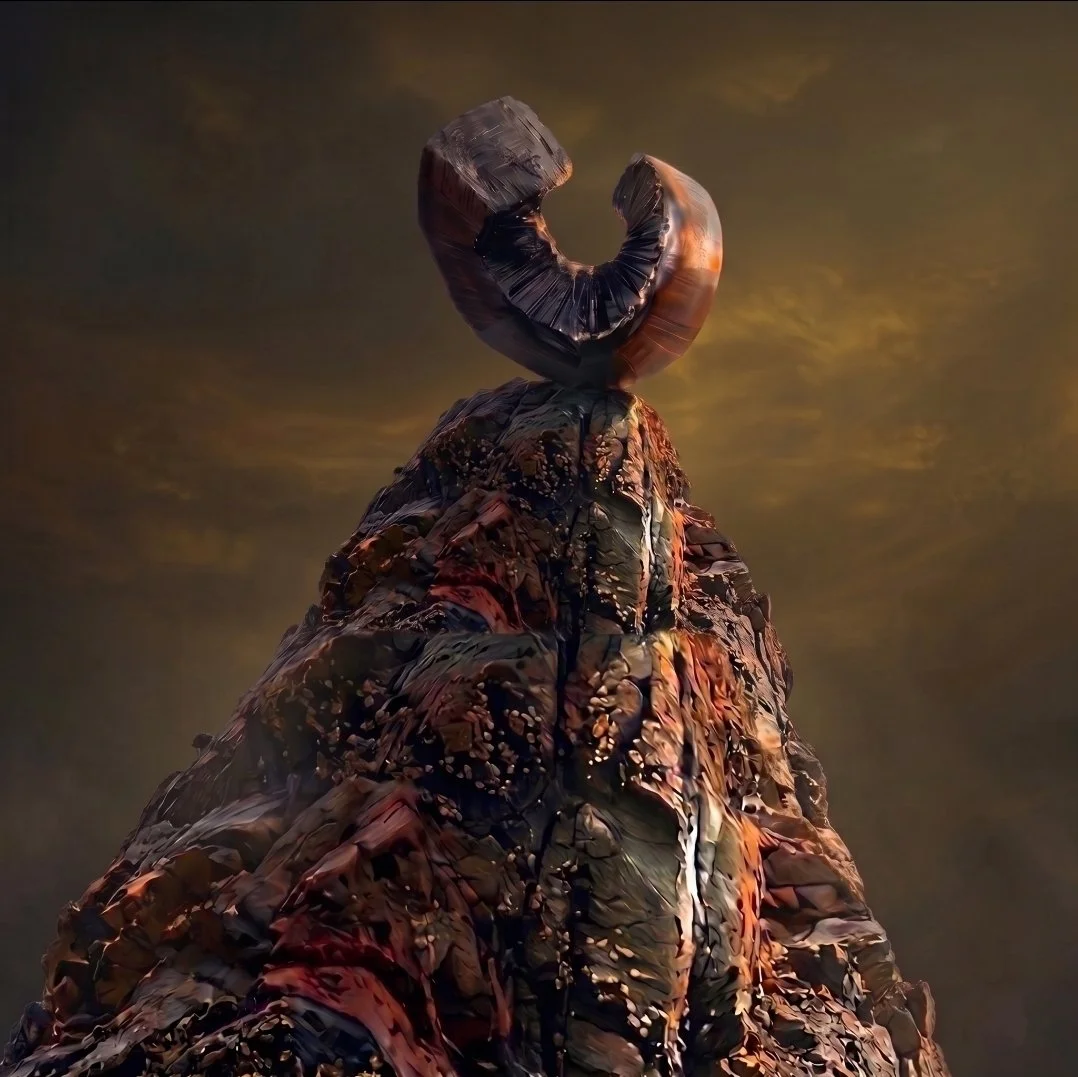
Turning the Tide of History
The sculpture embodies a threefold allegory: first, it symbolizes the grand momentum and shifting paradigms of human civilization; second, it encapsulates the historic transformations of the Chinese nation in modern times; and third, it reflects the profound responsibility borne by our generation in this era of violent upheaval, as well as our enduring aspirations for the future.
From the grand perspective of human civilization, the encounter and subsequent collision between East and West mirror the rise of Western civilization and the parallel decline of the East over the past few centuries. In this historical evolution, Chinese civilization was temporarily cast into shadow and covered in dust. Yet, awakening from humiliation and trauma, and confronting the fierce Western winds, we fought for life in the face of death with unyielding perseverance. Ever pursuing independence and freedom, we embarked on a century-long "Long March" toward national rejuvenation. Indeed, in The Chronological Atlas of World History compiled by Yale University, the chapter delineating China’s historical evolution from the fall of the Qing Dynasty in 1912 to the founding of New China in 1949 is explicitly titled "The Long March."
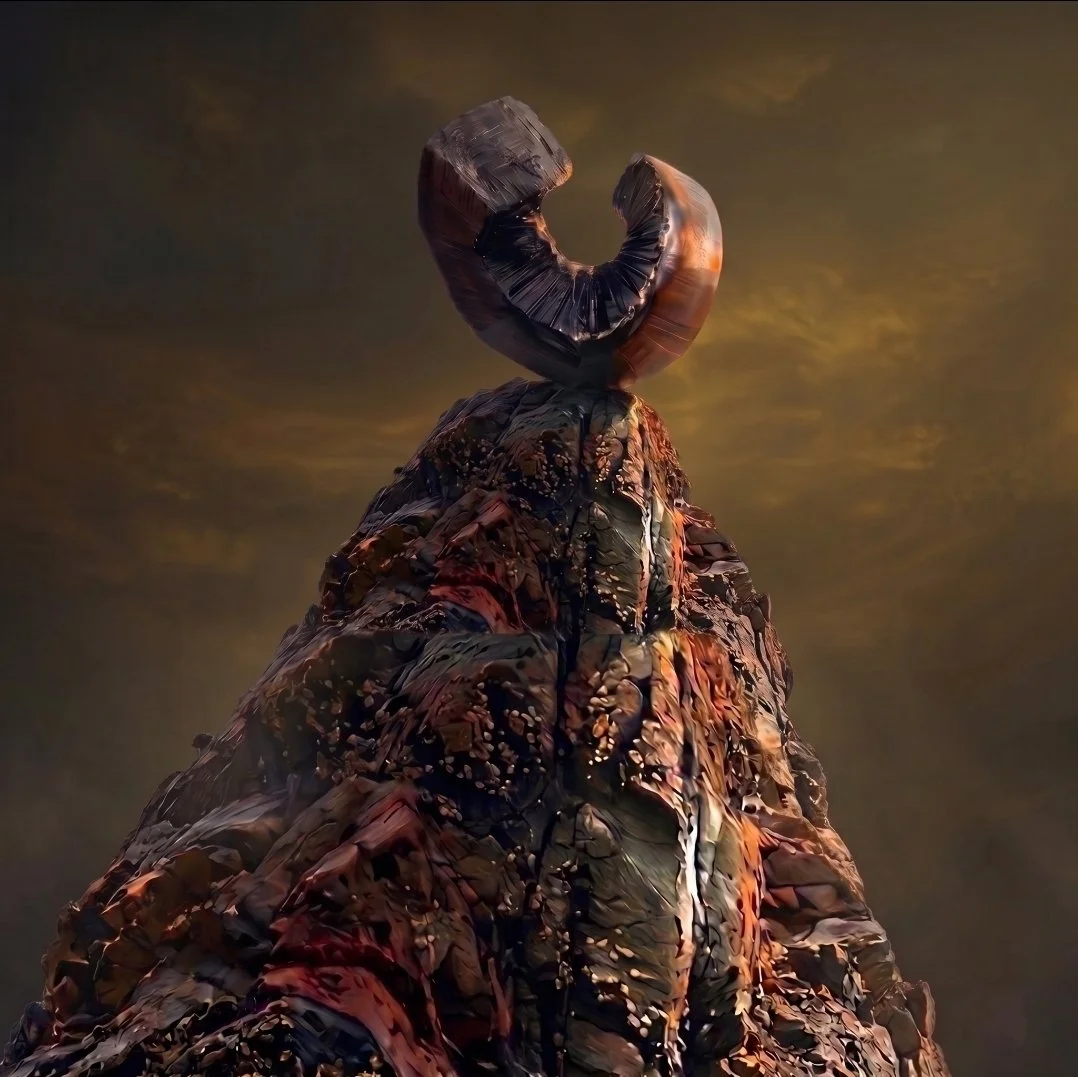
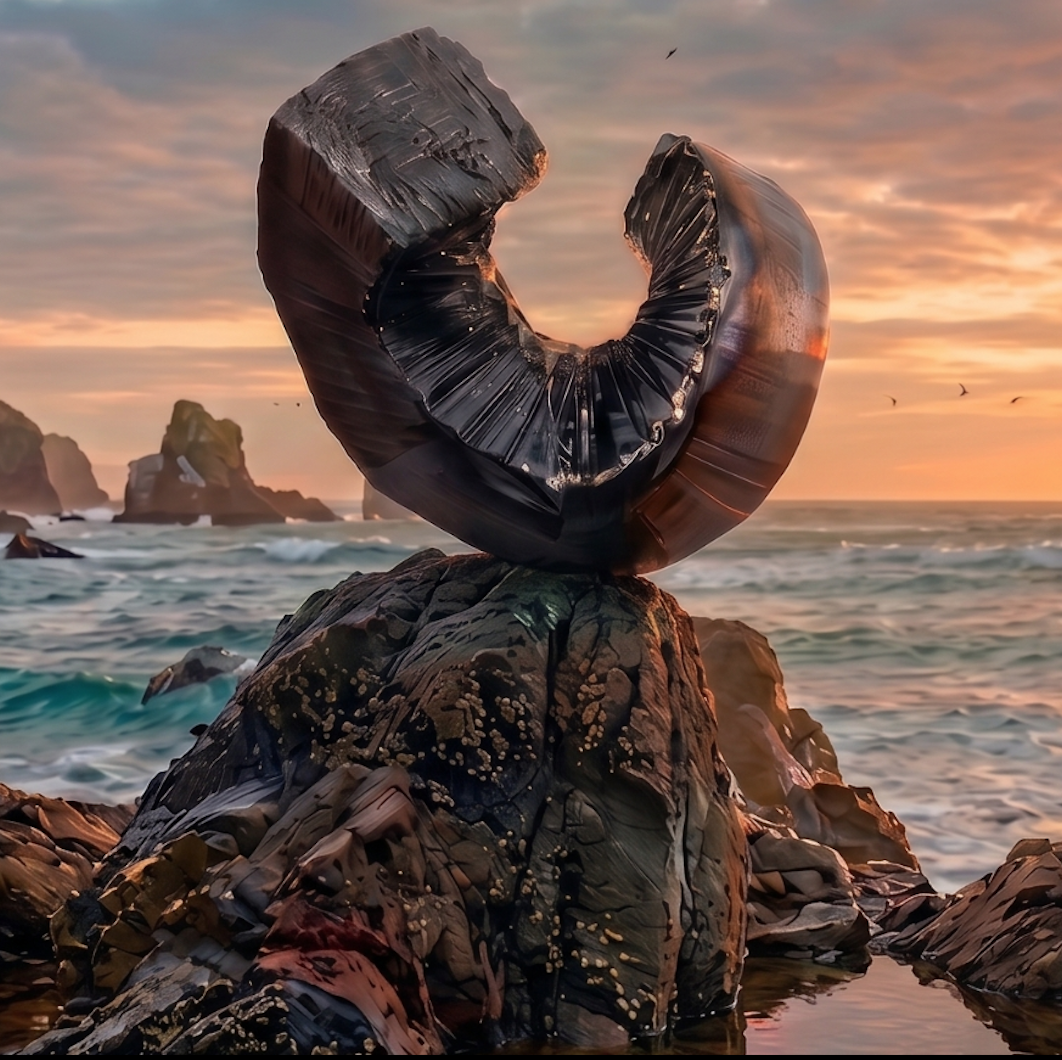
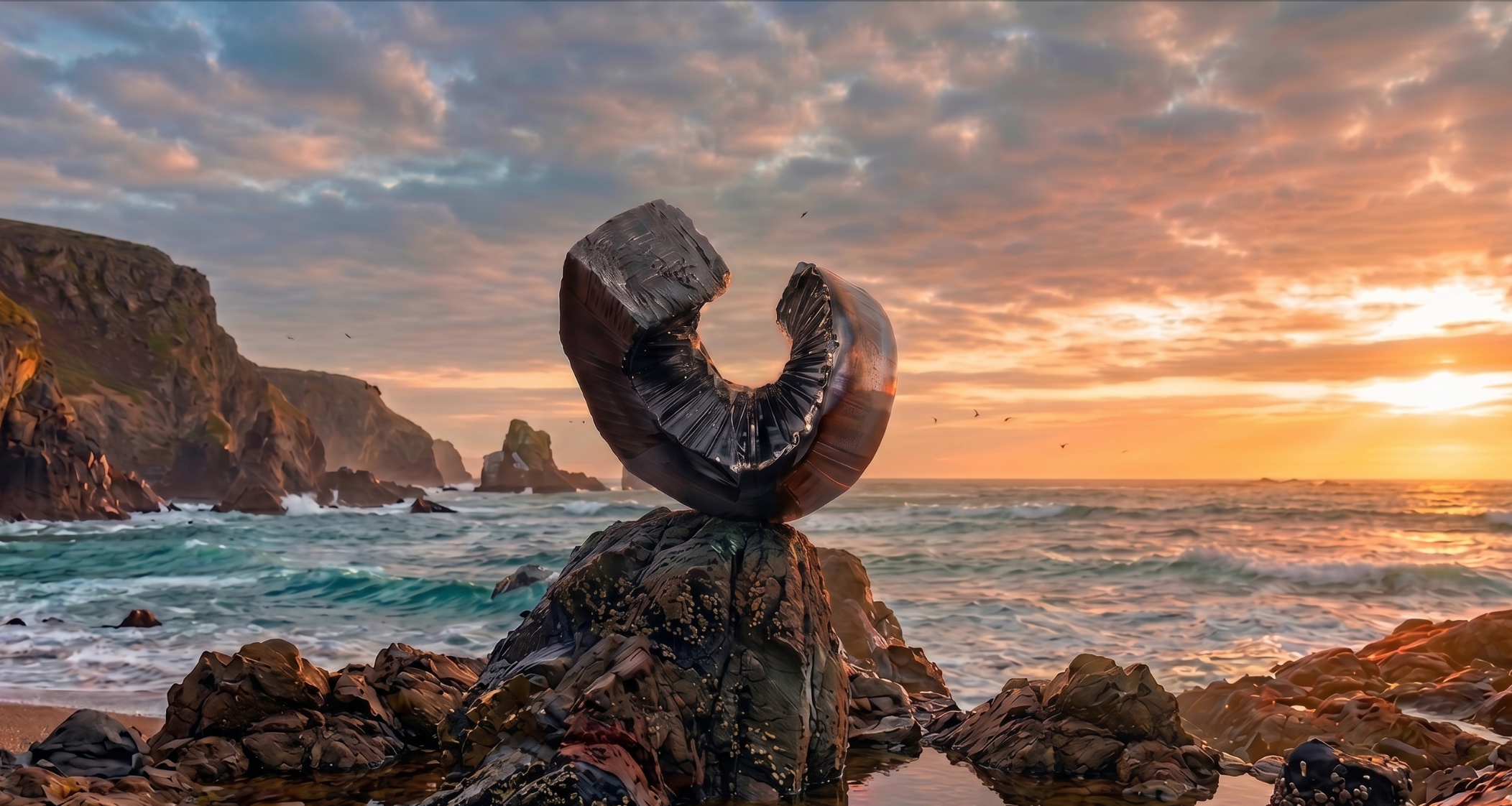
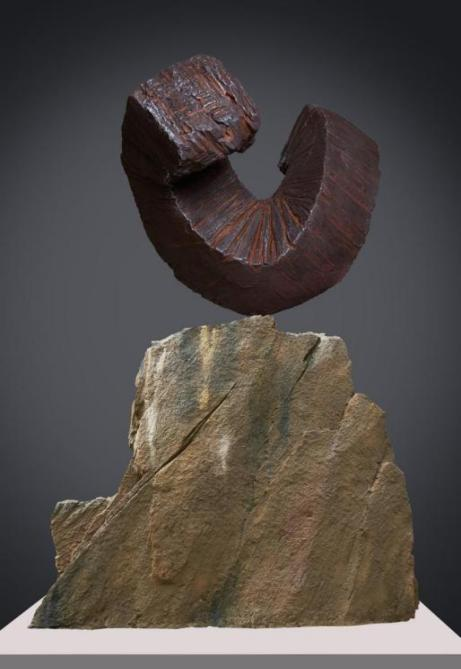
The sculpture is composed of two distinct parts: atop the rugged mountain rock rests an abstract steel-cast form. It feels like a primal force bursting forth from stone, roaring at the heavens, or launching a silent indictment against the established order. Moreover, it resembles a titanic iron wrist poised to turn the heavens and the earth, determined to alter the course of history's giant wheel!
Weathered by tempests, yet hard as tempered steel, Cold and austere in appearance, yet burning with an inner fire, It stands proud upon the mountain peak, solely to inspire all living souls, It lifts its head toward the boundless cosmos, solely to turn the tide of history, It interrogates history, solely to divine the future; It is a monument—yet its purpose is not merely to commemorate the past, but to stand as a beacon illuminating the path forward.